There’s a difference between something that is expensive and something that looks expensive. And the two don’t always go together.
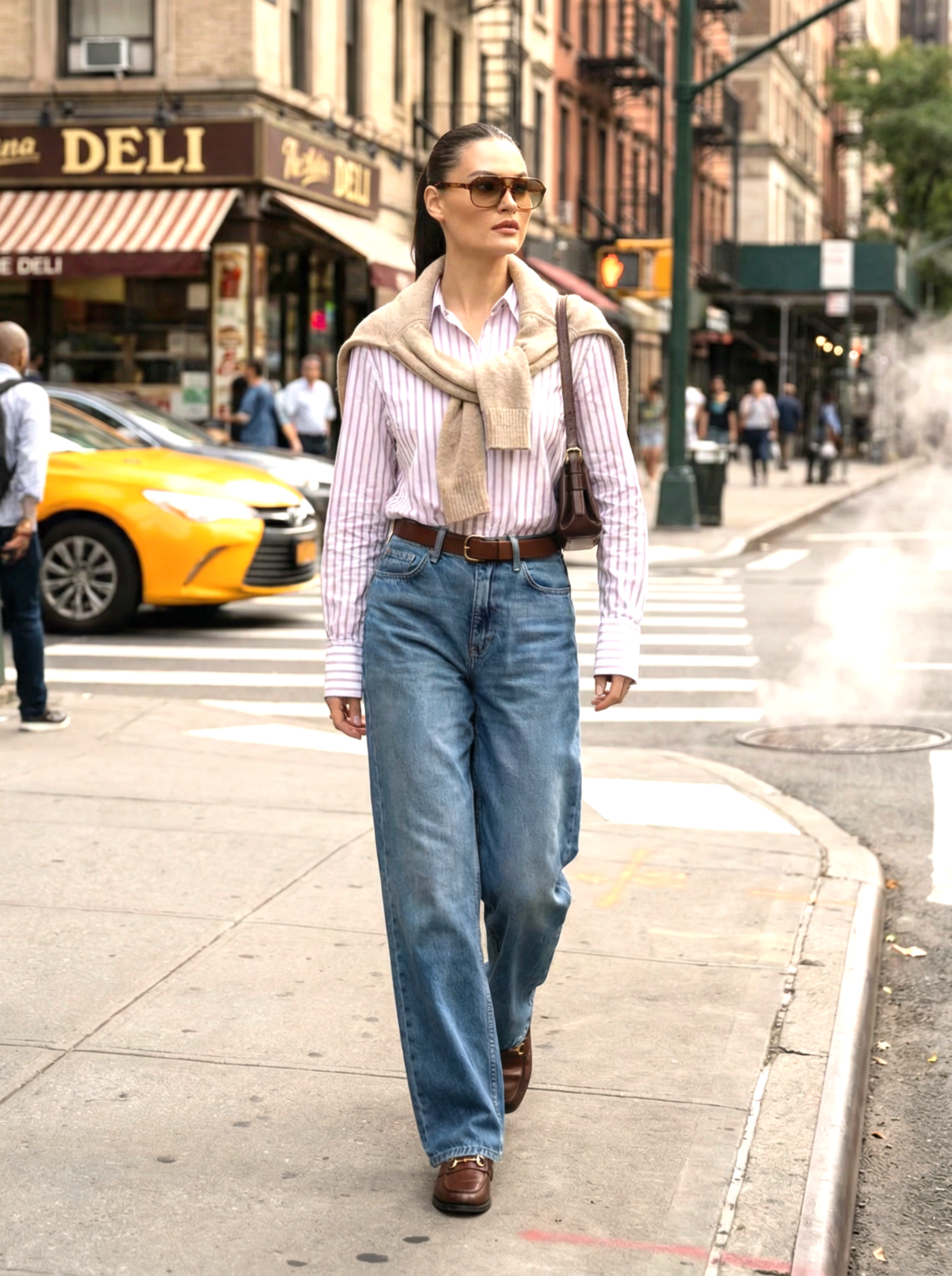
Some outfits carry a certain presence. They feel intentional, composed, and elevated — even when the pieces themselves are simple. Others, despite being trend-driven or high-priced, can feel less considered. So what creates that difference? It’s rarely about labels. It starts with fit.
CLICK TO BUY
Jeans// Oversized Shirt // Cardigan // Sunglasses // Leather Belt // Shoulder Bag // Shoes
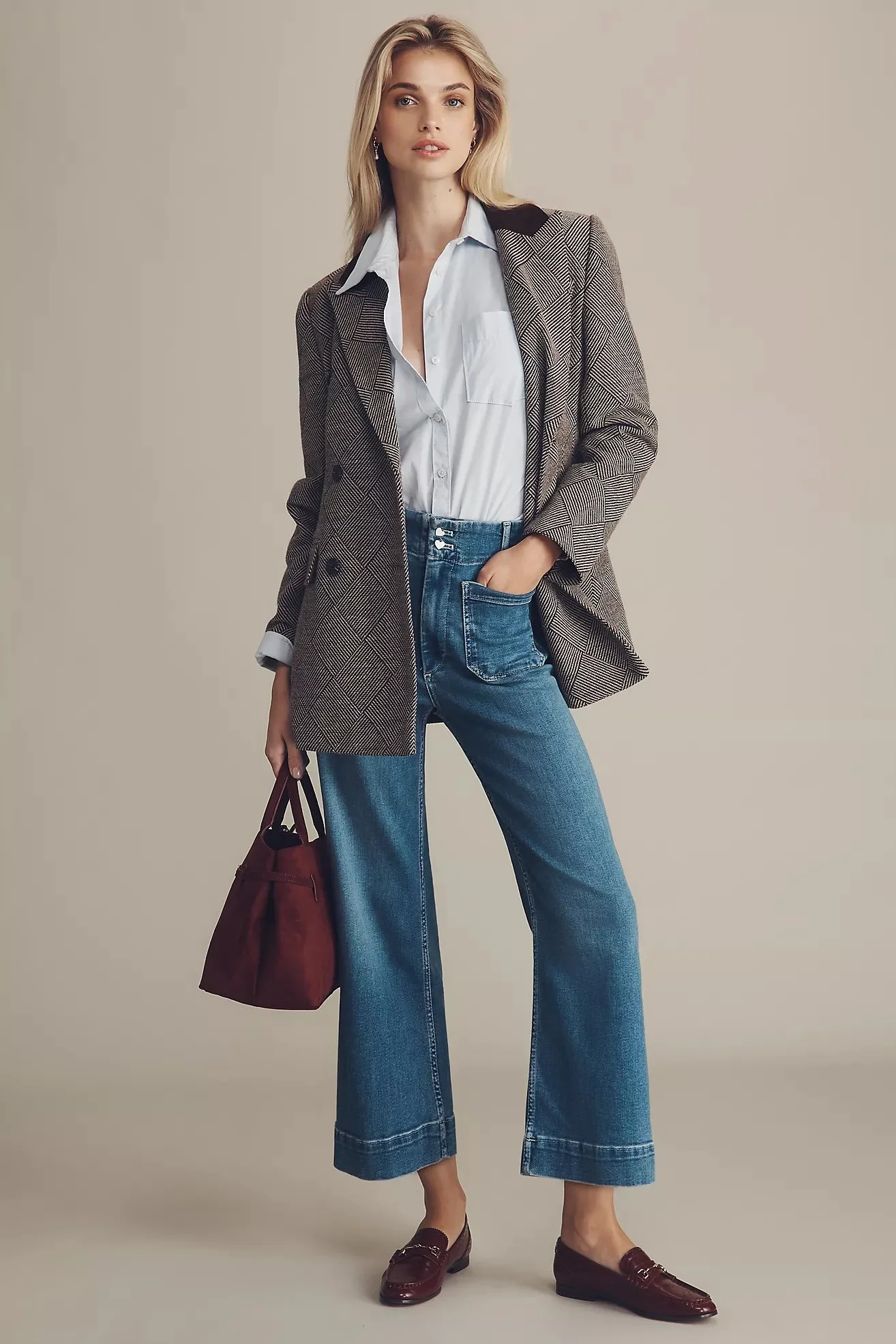
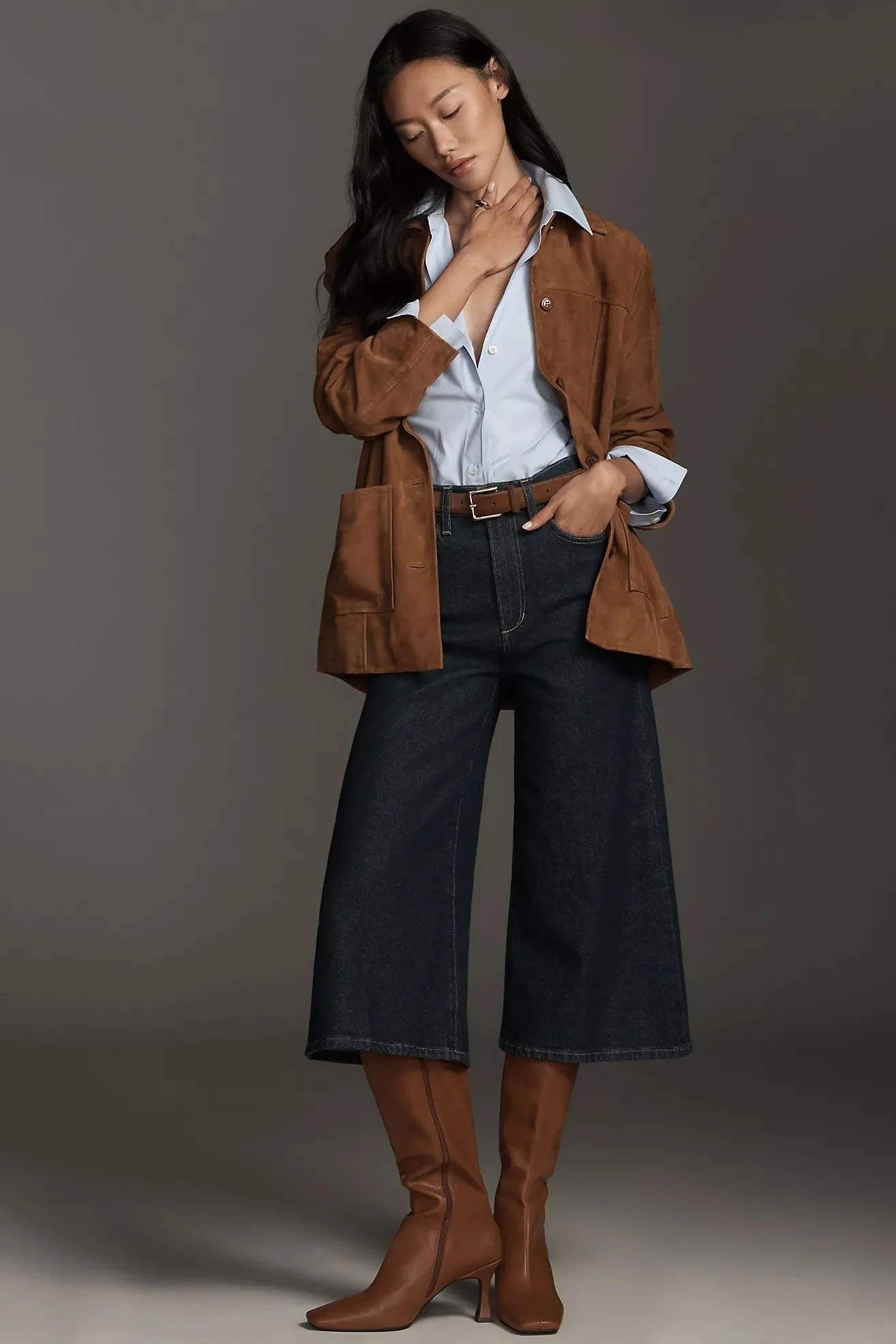
Clothes that sit correctly on the body — a blazer that follows the shoulders, trousers that fall cleanly, a dress that moves without pulling — instantly change the way an outfit is perceived. Nothing feels forced, and that ease reads as refinement. Then there’s fabric.
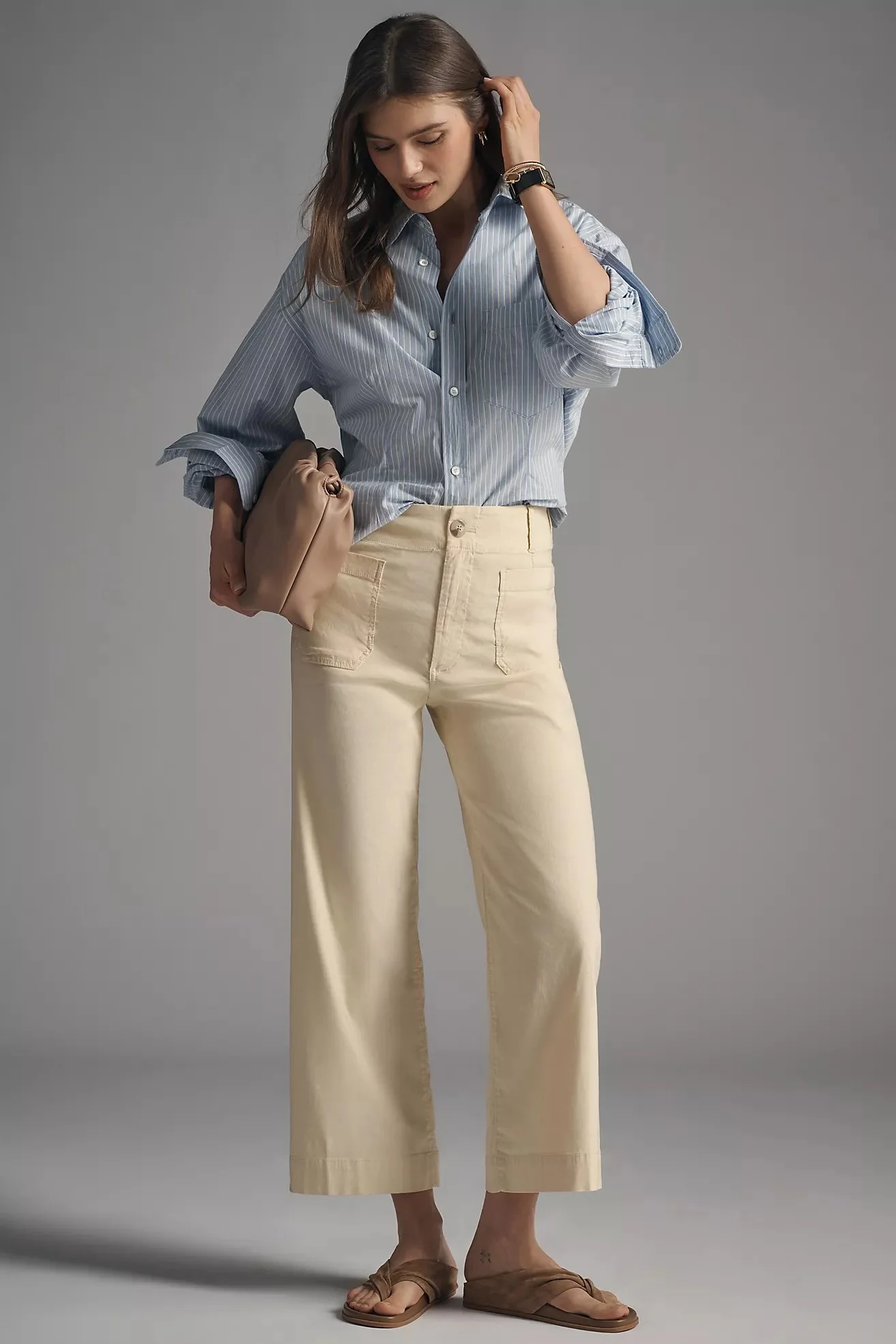
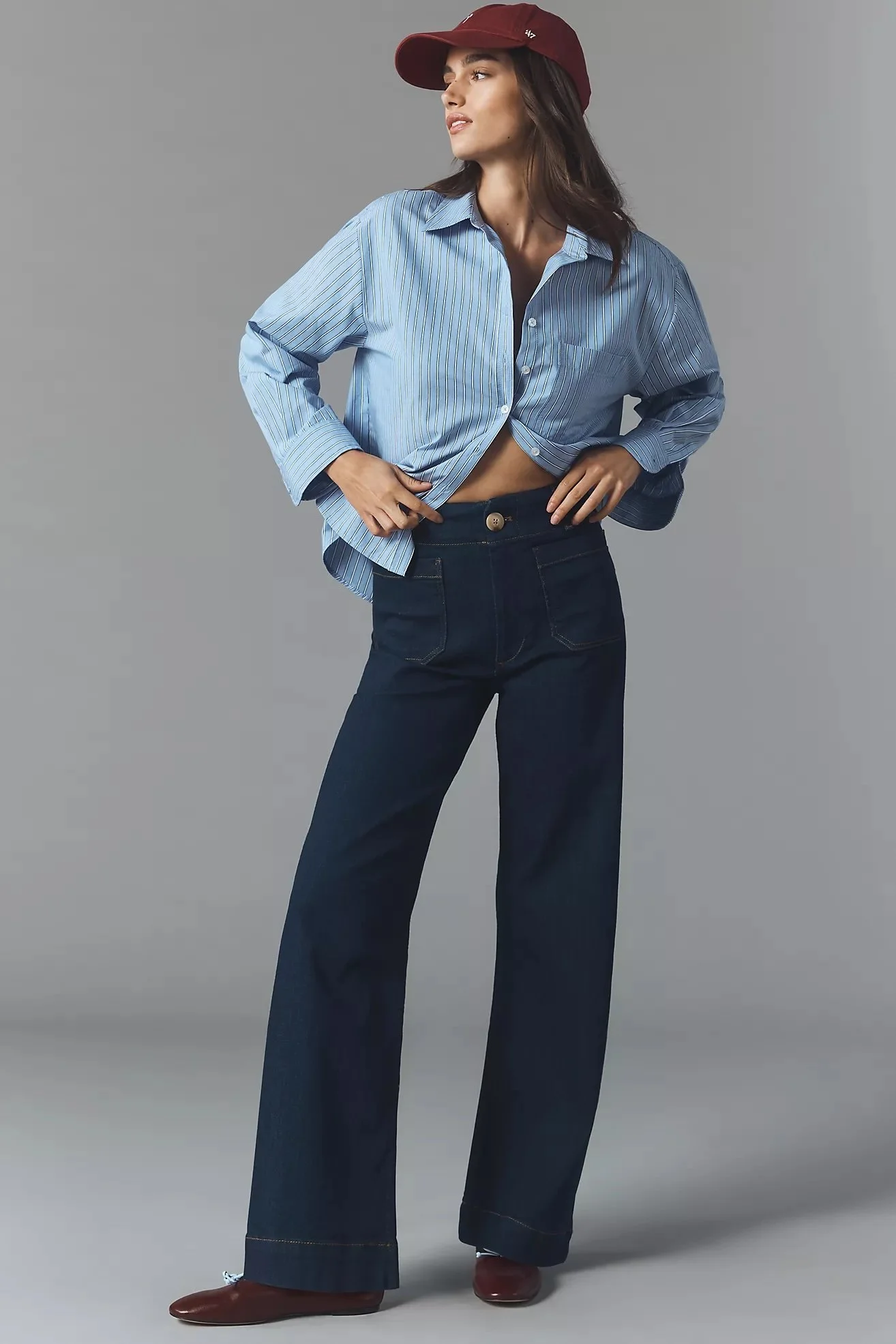
Outfits that feel expensive tend to do less. Fewer competing elements. A clearer point of view. Instead of layering multiple statements, there’s focus — one idea carried through the entire look. Often, that idea is tone.
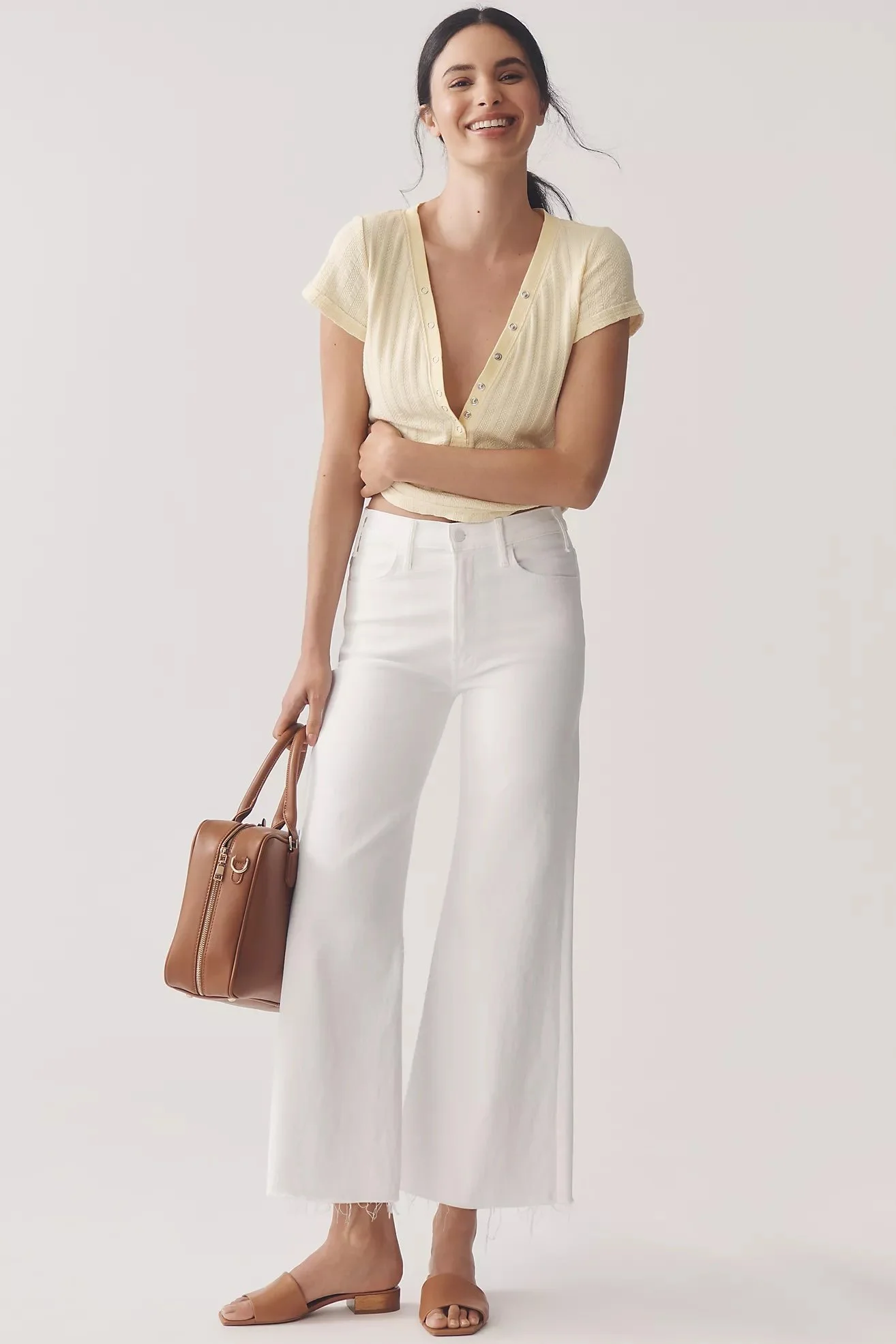
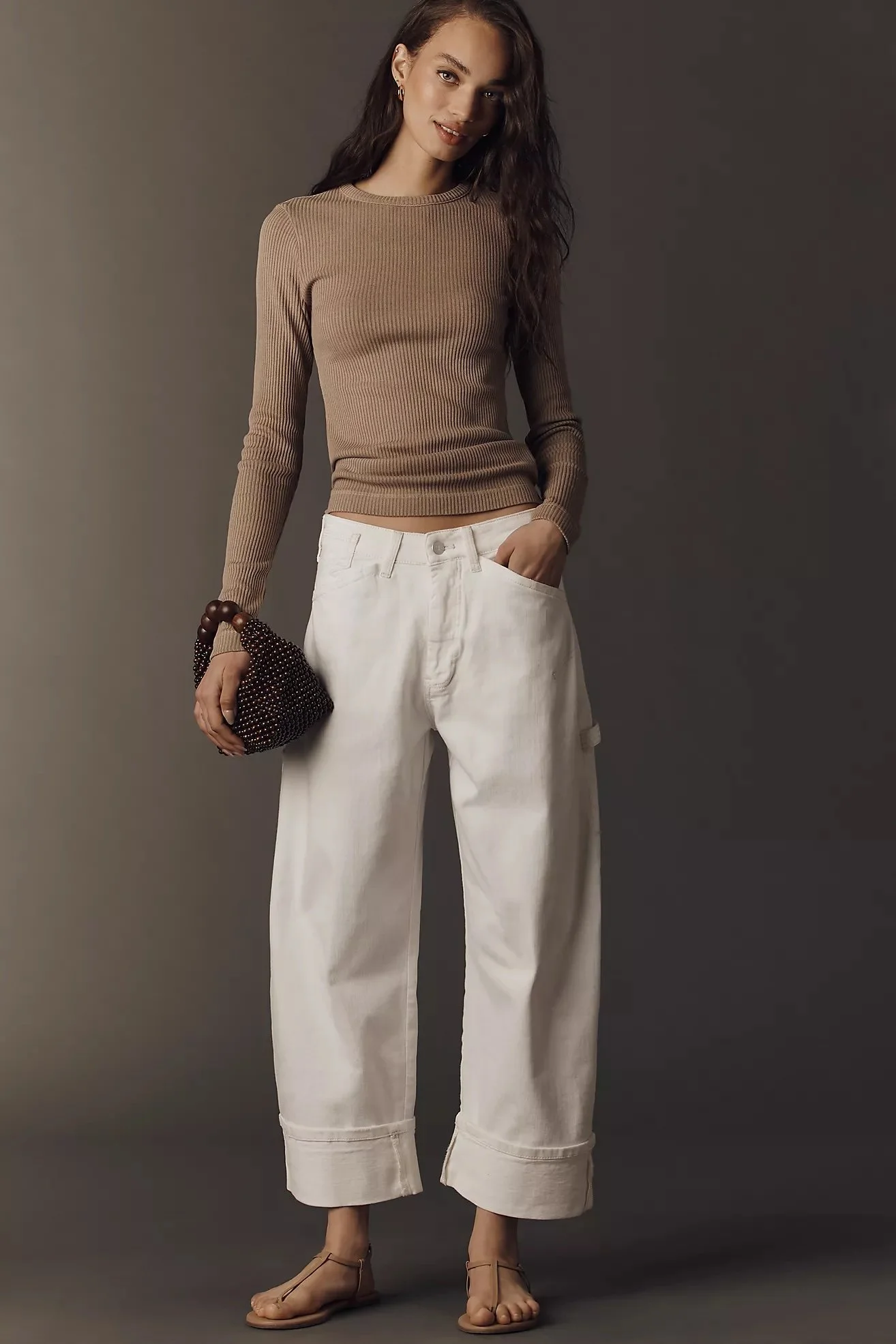
Monochrome dressing, or even subtle variations within the same color family, creates continuity. It allows the eye to move smoothly, without interruption. Nothing feels out of place. Accessories follow the same rule.
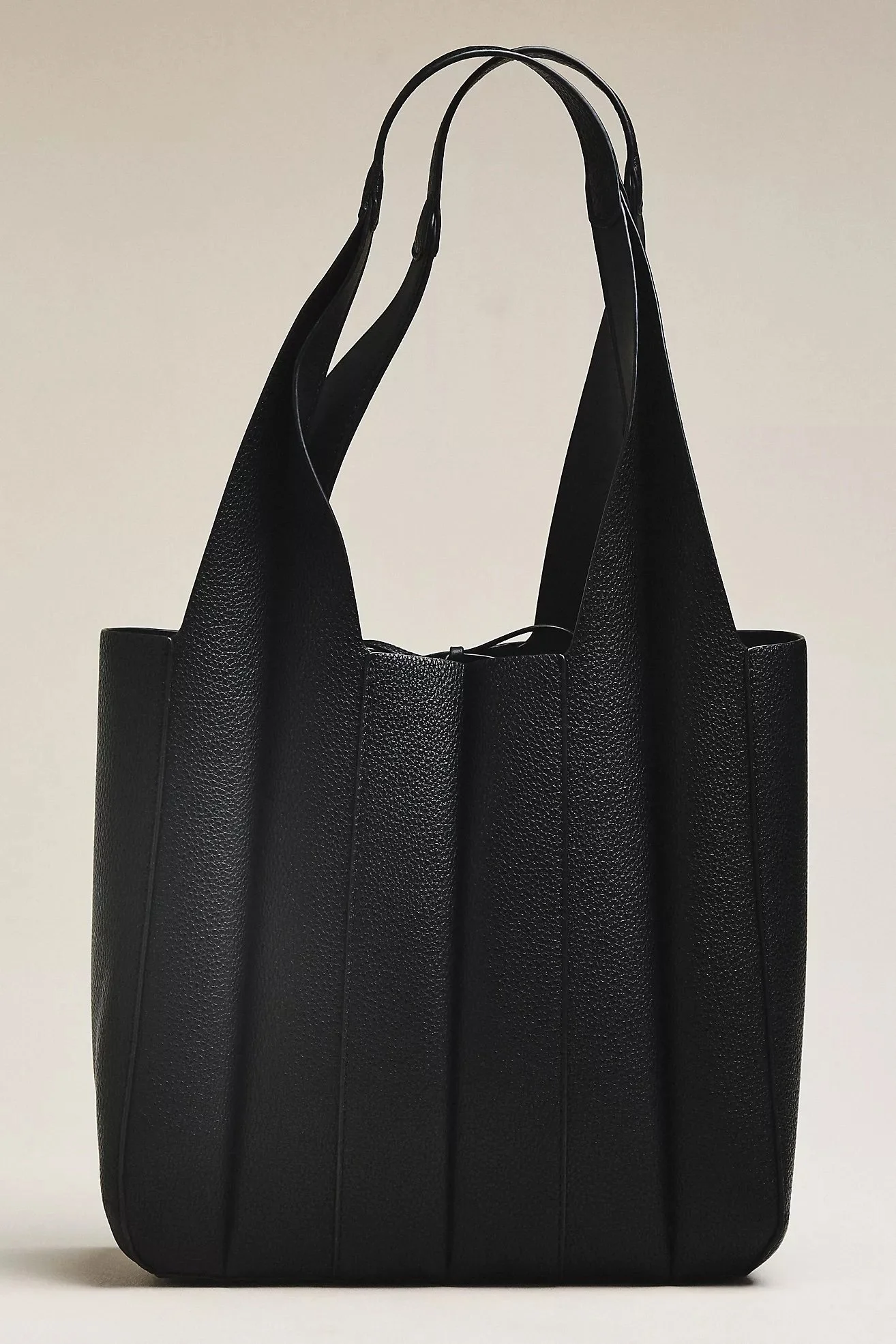
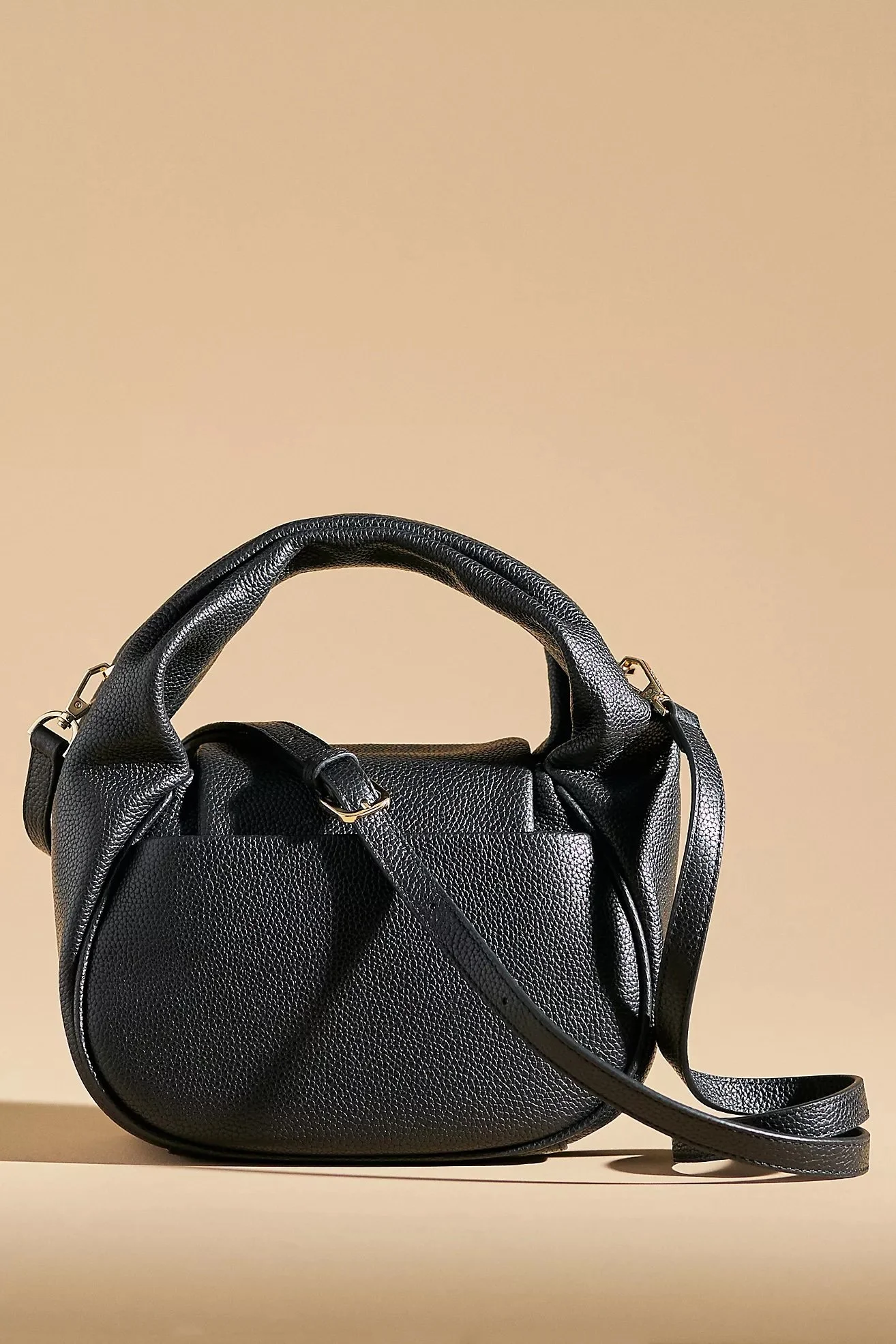
They don’t overwhelm. They complete. A structured bag, a clean shoe, minimal jewelry — pieces that support the outfit instead of distracting from it. The overall effect is quiet. Not because it lacks impact, but because it doesn’t need to prove itself. That’s what makes an outfit feel expensive. Not the price. But the clarity behind it.